Field guides for the decisions around removal.
Each guide answers one preparation question that a service page cannot settle for a specific property. Use them to build a better site record, not to replace an on-site professional review.
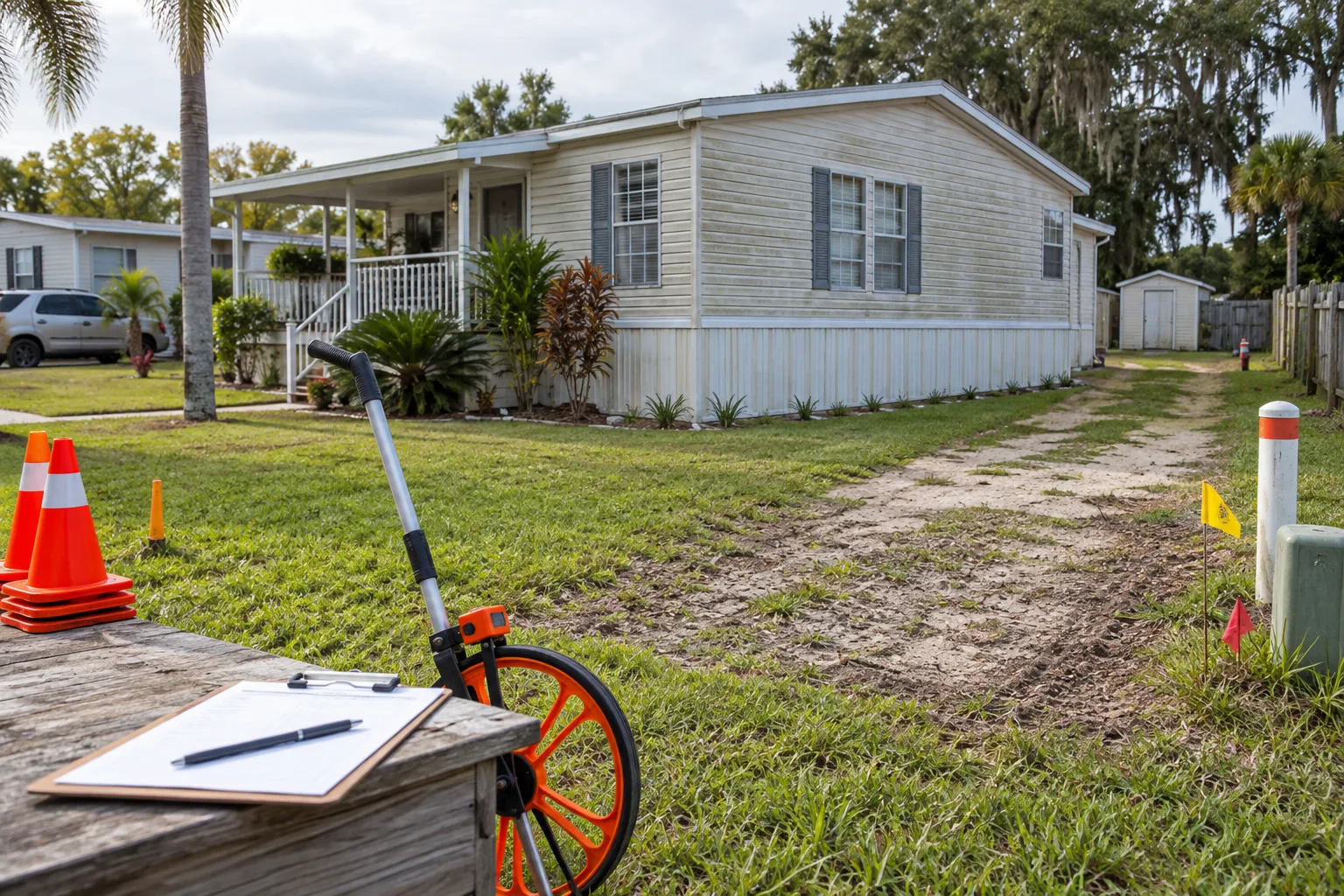
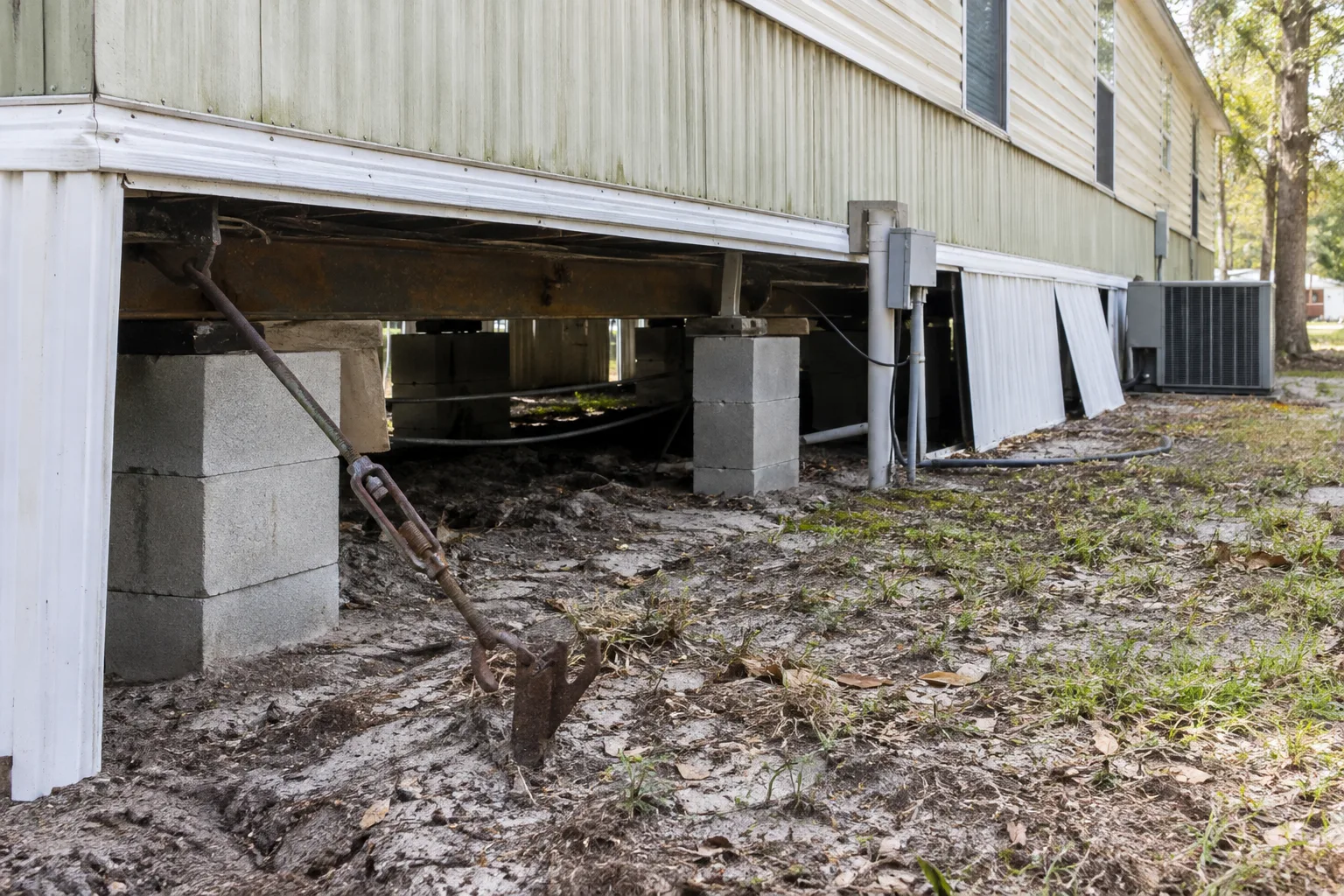
What to Measure Before a Single-Wide Removal
Measure the structure, then measure the route the work has to use. The best first record includes the home, every attachment, the narrowest access point, utility locations, and the area available for equipment and containers.
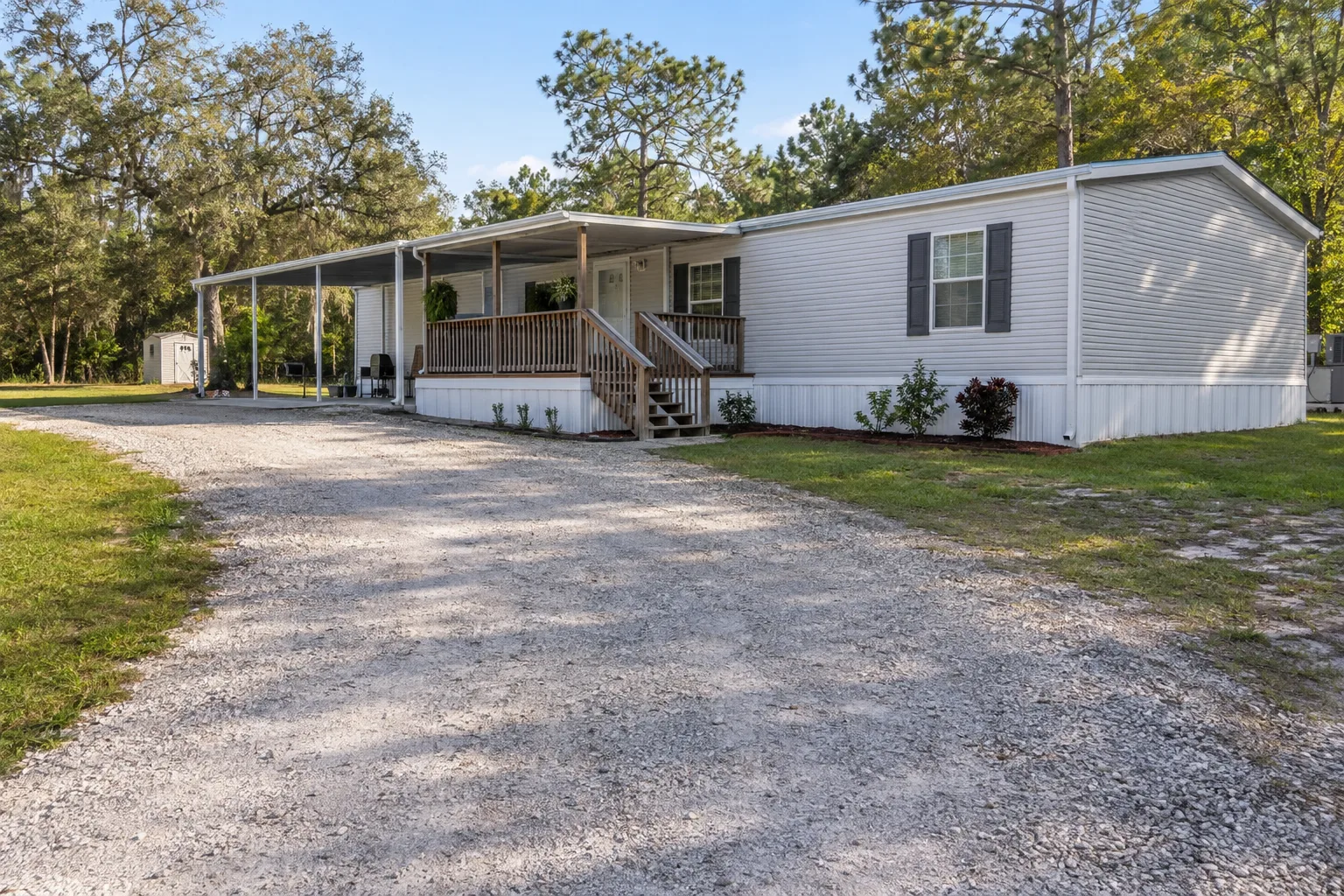
Planning a Double-Wide Removal With Tight Access
Tight access changes the sequence before it changes the equipment. Map where people, machines, containers, and loaded trucks can move, then decide whether the work zone can operate safely without blocking neighbors or required access.
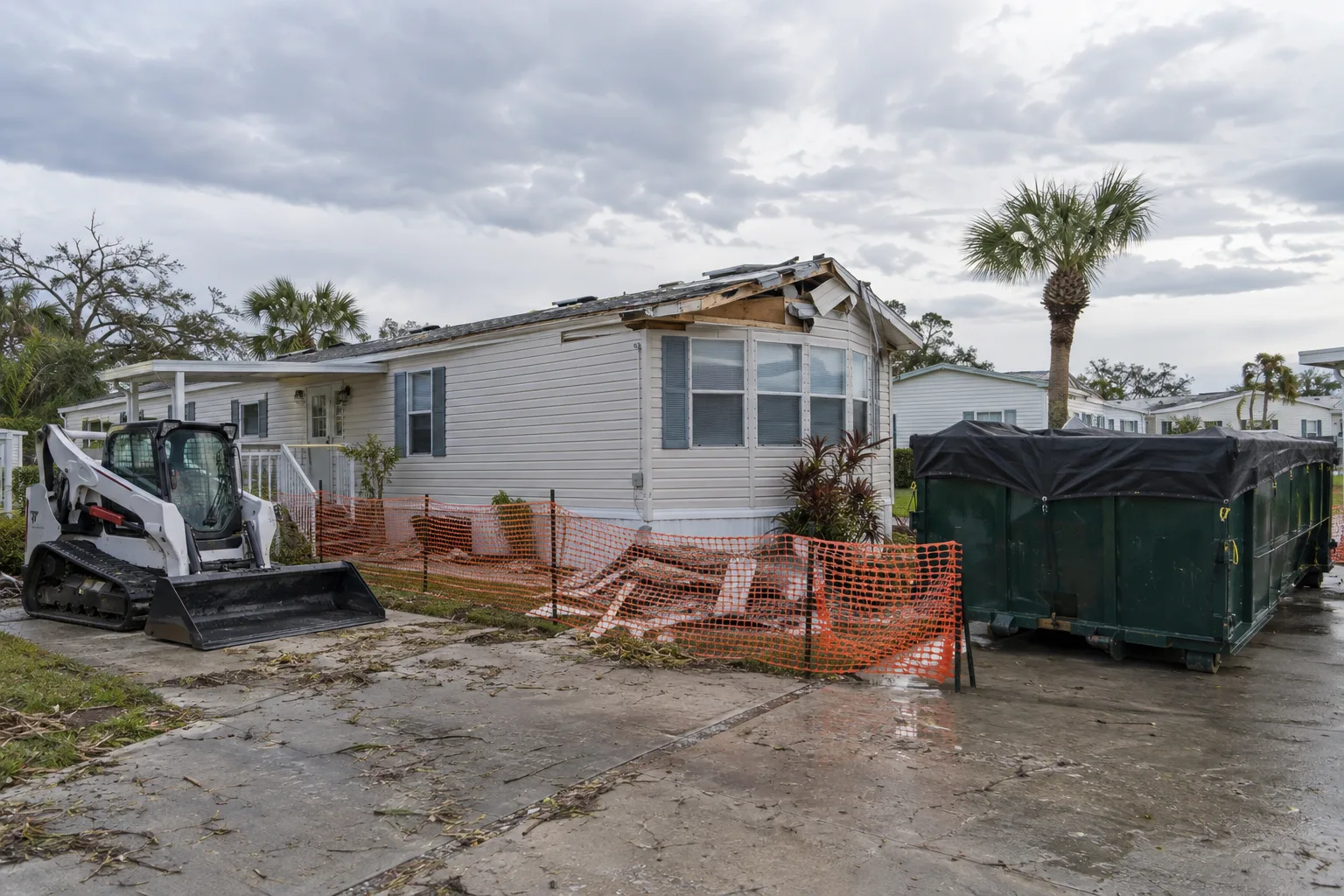
Before Removing a Storm-Damaged Mobile Home
Keep people away from unstable areas, treat damaged utilities as hazards, document conditions from a safe distance, and confirm insurance or agency requirements before debris moves. The removal estimate should reflect the post-storm site, not the home’s old condition.
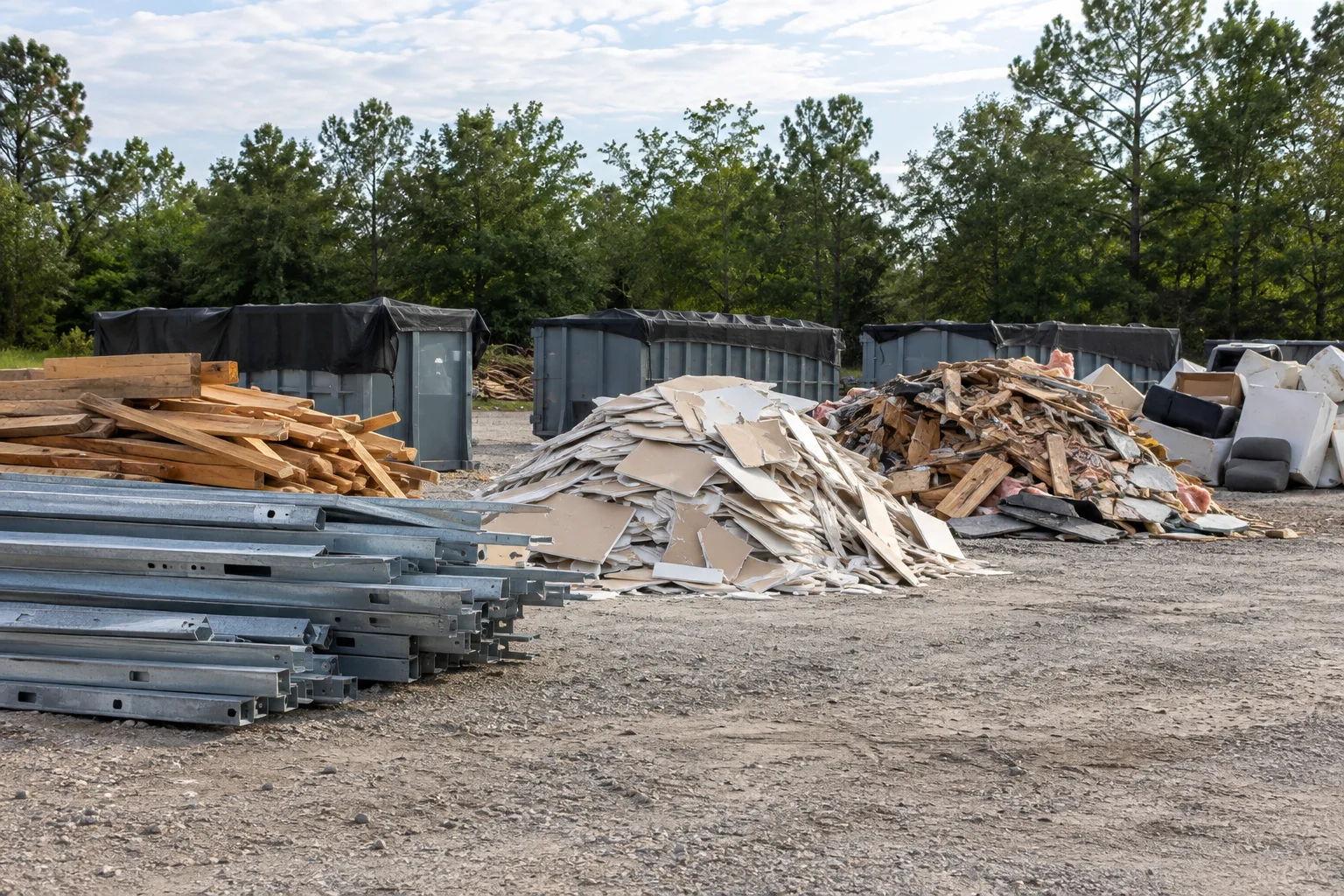
How Mobile Home Demolition Debris Is Sorted and Hauled
A mobile home becomes several material streams: metal frame and siding, wood, wall and roof materials, fixtures, contents, and sometimes concrete. Safe separation depends on condition, contamination, site room, and what local facilities currently accept.
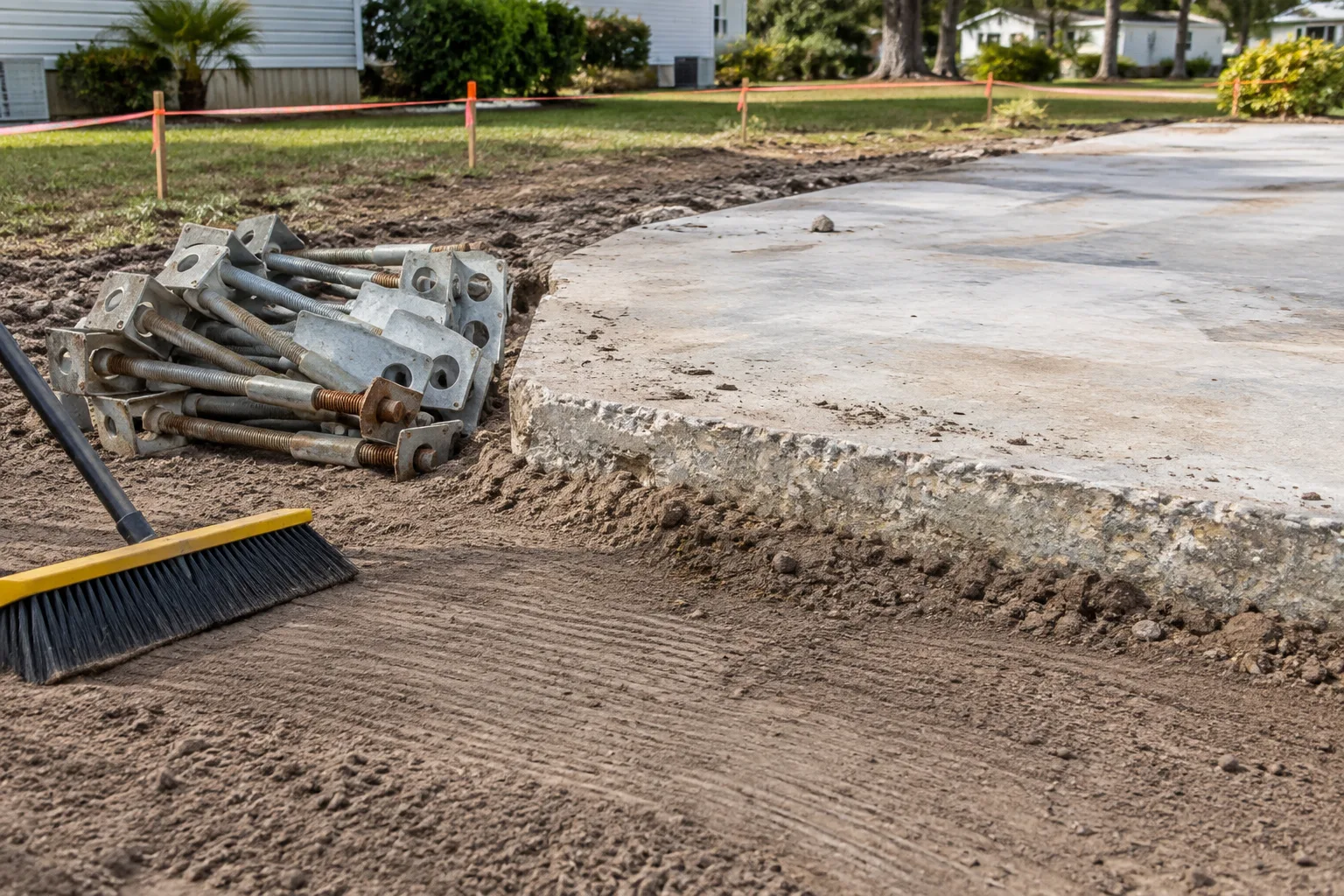
Should You Keep or Remove a Mobile Home Concrete Pad?
Keep the pad when it is permitted, useful, and in suitable condition for the next plan. Price removal when it blocks the next use, is damaged, creates a drainage or safety problem, or must leave under the approved redevelopment scope.